

Fitness & Exercise

Regular physical activity is one of the most effective ways to support your overall health and wellbeing. You don’t need to exercise intensely every day to benefit. The most important thing is to find activities you enjoy and build a routine you can maintain over time.
In the short term, exercise can help improve mood, reduce feelings of stress and anxiety, support better sleep, and help regulate appetite and energy levels. Even simple activities such as brisk walking, cycling, swimming, dancing, or strength exercises can contribute to a healthier lifestyle.
Over the long term, regular physical activity is associated with a lower risk of several chronic health conditions, including cardiovascular disease, stroke, type 2 diabetes, and some cancers. Staying active can also help maintain muscle strength, bone health, balance, mobility, and cognitive function as you age.
A balanced fitness routine can include aerobic activity, strength training, flexibility or mobility exercises, and adequate recovery. If you are new to exercise, start gradually and increase the duration or intensity as your fitness improves.
Remember, every movement counts. You don’t have to be perfect—consistent activity throughout the week can make a meaningful difference.
Move regularly. Build strength. Support your health. Feel your best.
Fitness and Exercise Are Important for Your Health

Regular fitness and exercise are important parts of a healthy lifestyle at every age. Staying physically active can support your heart, muscles, bones, mobility, energy levels, and overall quality of life. You do not need to be an athlete or spend hours in the gym to experience the benefits of movement. Walking, cycling, swimming, dancing, strength training, stretching, and active hobbies can all contribute to a more active lifestyle.
Regular physical activity can improve cardiovascular fitness, help maintain muscle strength, support healthy bones, and assist with healthy weight management. Exercise can also benefit mental wellbeing by helping reduce stress, improve mood, and support better sleep. Over time, regular activity is associated with a lower risk of several chronic health conditions, including cardiovascular disease and type 2 diabetes.
A balanced exercise routine can include aerobic activity, muscle-strengthening exercises, mobility or flexibility work, and adequate recovery. Adults should generally aim for 150–300 minutes of moderate-intensity aerobic activity each week, together with muscle-strengthening activities on at least two days.
If you are new to exercise, start gradually and choose activities that match your fitness level and abilities. Consistency matters more than perfection.
Move regularly. Build strength. Improve your fitness. Support your health. Live well.

Why Is Exercise So Important at Every Age?
Exercise plays an important role in supporting health and wellbeing throughout life. From childhood to older adulthood, regular physical activity helps the body stay strong, mobile, and resilient while also supporting mental and emotional wellbeing.
For children and teenagers, active play and exercise help develop strong bones and muscles, improve coordination and fitness, and establish healthy movement habits that can continue into adulthood.
For adults, regular physical activity can help maintain a healthy weight, strengthen the heart and muscles, improve sleep, support mental wellbeing, and reduce the risk of conditions such as cardiovascular disease and type 2 diabetes.
For older adults, staying active can help preserve muscle strength, bone health, balance, flexibility, and independence. Activities such as walking, strength exercises, swimming, cycling, and balance training can support mobility and help people remain active in daily life.
Exercise also benefits the brain. Regular physical activity is associated with better cognitive health and may help reduce the risk of cognitive decline as we age.
The best exercise is one that is safe, enjoyable, appropriate for your age and fitness level, and sustainable. You don’t need to be an athlete—regular movement throughout the week can make a meaningful difference.
At every age, move more, stay strong, and give your body the opportunity to thrive.
Workout | Strength & Power
Strength and power training are important parts of a balanced fitness routine. Strength training focuses on improving the ability of your muscles to produce force, while power training focuses on producing force quickly.
Regular resistance exercise can help build and maintain muscle strength, support bone health, improve physical function, and make everyday activities easier. Power-focused movements can also help develop speed, coordination, and the ability to perform movements efficiently.
Common strength exercises include squats, lunges, push-ups, rows, deadlifts, presses, and resistance-band exercises. Power exercises may include jumps, medicine-ball throws, and other controlled explosive movements when they are appropriate for your fitness level.
For adults, current U.S. physical-activity guidelines recommend muscle-strengthening activities involving all major muscle groups on at least 2 days per week. Beginners should start with manageable resistance and focus on good technique before gradually increasing the challenge.
- “Build strength today to move with confidence tomorrow.”
- “Train consistently, progress gradually, and let your strength grow.”
- “Strong muscles support a stronger, more active life.”
- “Strength builds the foundation; power helps you move with purpose.”
- “Build power with purpose, train with control, and move with confidence.”
- “Every strong movement starts with consistency, good technique, and patience.”
- “Progressive training builds lasting strength, resilience, and confidence.”
- “Train your body to be stronger, move better, and perform with purpose.”
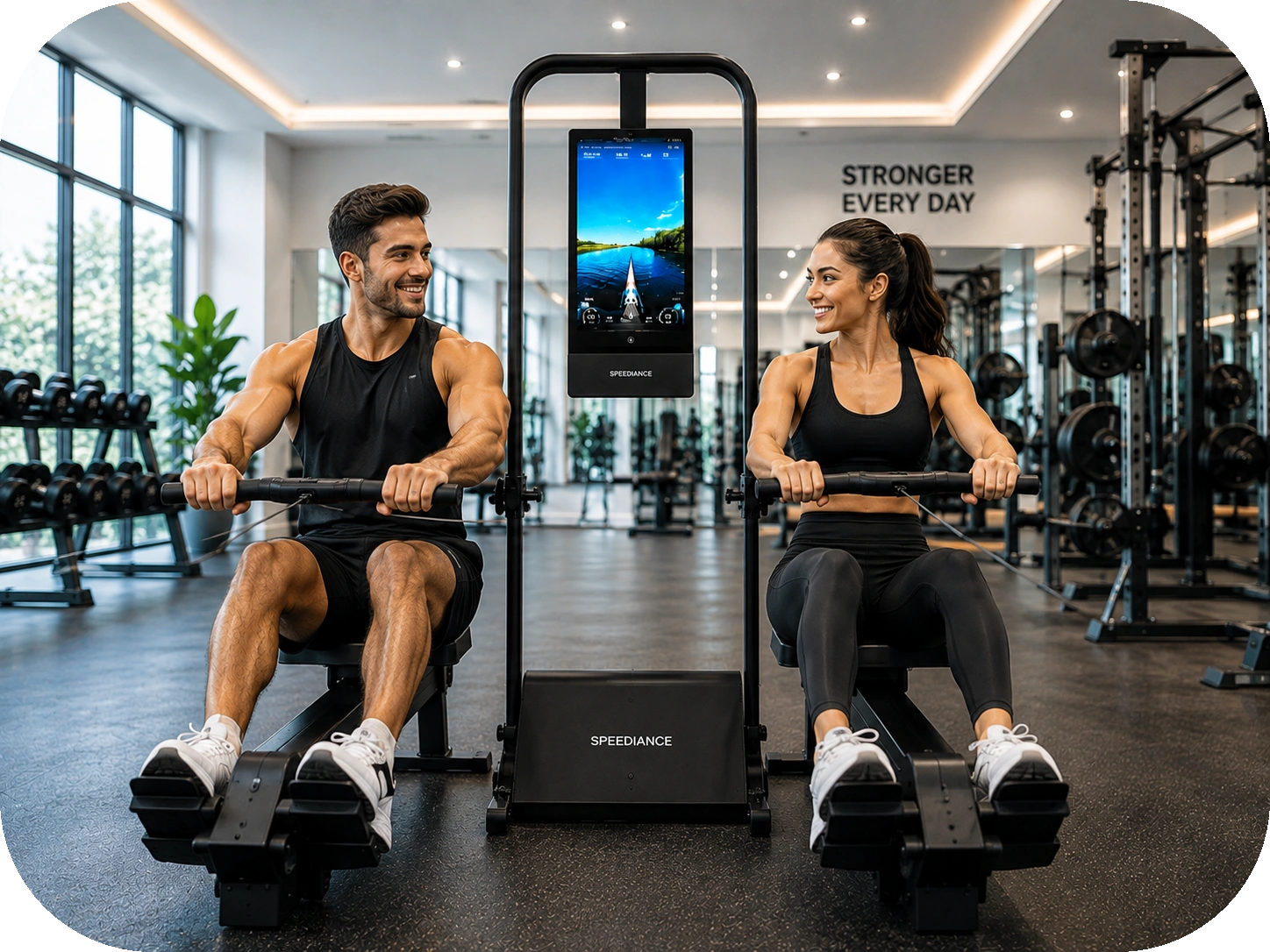
Build strength. Develop power. Move with confidence. Stay consistent.

How Much Exercise Do I Need?
How much exercise you need depends on your age, fitness level, health, and personal goals. However, current physical activity guidelines provide a useful starting point for most adults.
Adults should aim for 150–300 minutes of moderate-intensity aerobic activity each week, such as brisk walking, cycling, swimming, or dancing. Alternatively, you can aim for 75–150 minutes of vigorous-intensity activity, such as running or high-intensity aerobic exercise. A combination of moderate and vigorous activity can also work.
Alongside aerobic exercise, adults should do muscle-strengthening activities at least two days a week, working all the major muscle groups, including the legs, hips, back, chest, shoulders, arms, and abdomen.
You don’t have to complete all your activity in long workouts. Breaking exercise into smaller sessions throughout the week can make it easier to fit into a busy lifestyle. If you’re currently inactive, start with manageable amounts and gradually increase your activity.
It’s also helpful to move regularly throughout the day and reduce prolonged sitting where possible.
Remember, exercise isn’t an all-or-nothing goal. Some physical activity is better than none, and doing more than the minimum recommended amount can provide additional health benefits.
Start where you are, move consistently, and choose activities you enjoy.
What Are the Benefits of Exercise.
Key Benefits of Exercise
Regular exercise offers a wide range of benefits for your physical and mental wellbeing. You don’t need to follow an intense workout routine to benefit—consistent, enjoyable movement can make a meaningful difference to your health.
What Are the Benefits of Exercise?
Exercise is an essential part of a healthy and active lifestyle. Regular physical activity helps improve overall health, strengthen the body, and support mental well-being. Whether you choose walking, running, strength training, yoga, cycling, or other activities, consistent exercise can provide valuable benefits at every stage of life. It can improve cardiovascular fitness, build stronger muscles and bones, support healthy weight management, increase energy levels, and promote better sleep. Exercise can also help reduce stress, improve mood, and support brain health. By making physical activity a regular part of your daily routine, you can build healthier habits and enjoy a stronger, more energetic, and balanced life.

Trusted by Trusted by Thousands of Fitness & Exercise Readers.

1. Supports heart health:
Regular aerobic activity helps improve cardiovascular fitness and supports a healthy heart.

2. Builds muscle strength:
Resistance exercises help maintain and develop muscle strength and physical function.

3. Supports bone health:
Weight-bearing and resistance activities can help maintain stronger bones. Helps with weight management: Physical activity increases energy expenditure and can complement healthy eating habits.

4. Helps with weight management:
Physical activity increases energy expenditure and can complement healthy eating habits.
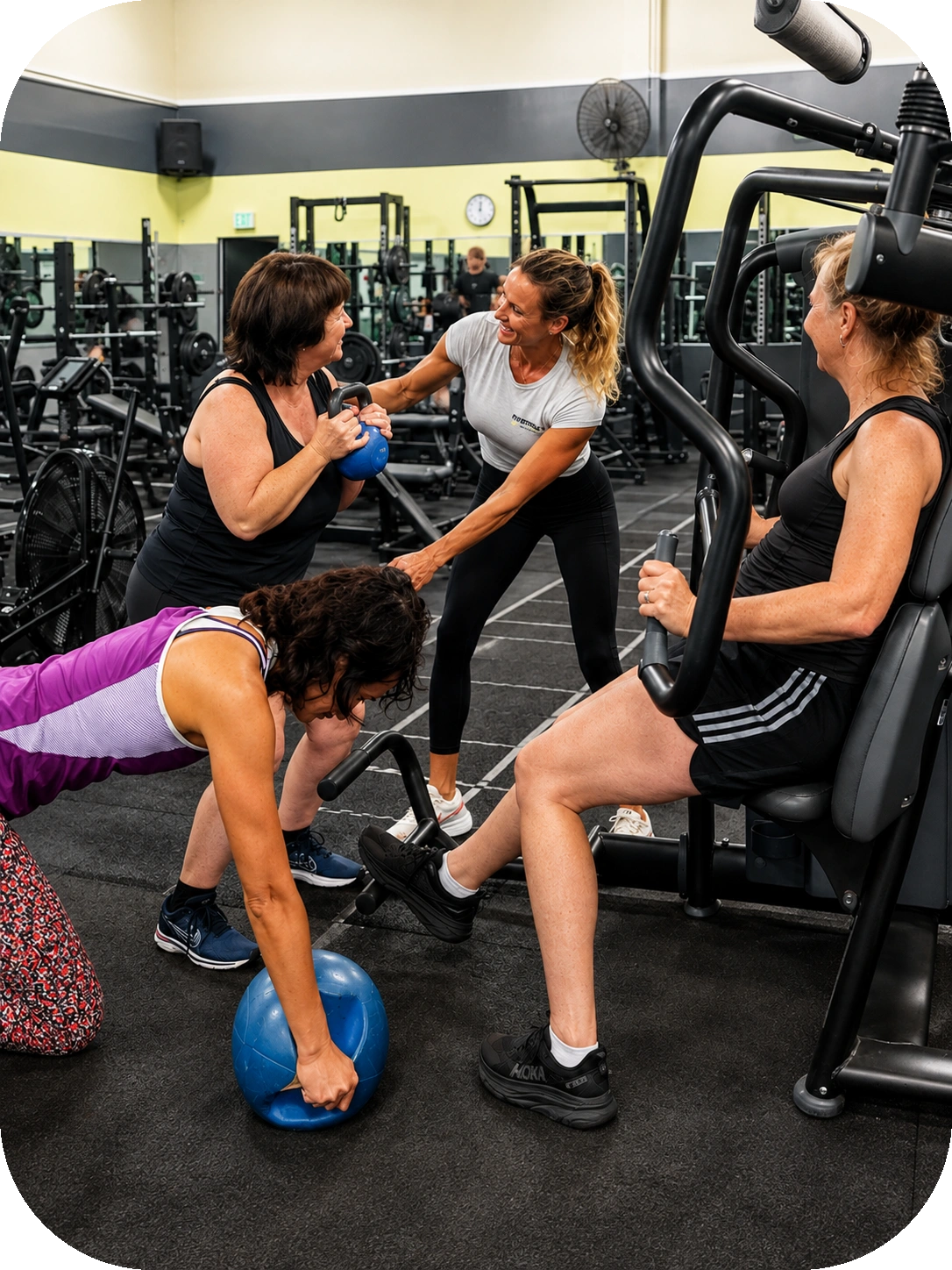
Why Is Regular Exercise Important?
Regular exercise plays an important role in maintaining a healthy body and mind. It supports physical fitness, improves daily energy, and helps create a more balanced lifestyle. From simple activities such as walking and stretching to strength training, cycling, swimming, or gym workouts, every form of movement can contribute to better health. Exercise can strengthen muscles and bones, support heart health, improve flexibility, manage body weight, and promote better sleep. It can also reduce stress, improve mood, and support mental well-being. Making exercise a consistent part of your routine can help you feel stronger, more active, confident, and healthier every day.

Trusted by Thousands of Fitness & Exercise Enthusiasts

5. Improves mood:
Exercise can help reduce stress and support emotional wellbeing.

6. Supports better sleep:
Regular physical activity can contribute to better sleep quality.

7. Improves mobility and balance:
Strength, flexibility, and balance exercises can help you move more comfortably and confidently.

8. Supports healthy aging:
Staying active can help maintain independence and physical function as you get older.

Final Thoughts
Exercise is more than just a way to stay fit—it is an important investment in your overall health and well-being. Regular physical activity can strengthen your body, support your mental health, improve energy, and help you maintain a healthier lifestyle. You don’t need to start with intense workouts; even small, consistent steps such as walking, stretching, or daily movement can make a difference. The key is to choose activities you enjoy and make them part of your routine. With consistency and a balanced approach, exercise can help you feel stronger, healthier, and more confident while supporting long-term wellness.

rusted by Thousands Seeking Better Fitness & Exercise

9. Reduces chronic disease risk
Regular physical activity is associated with a lower risk of conditions such as cardiovascular disease and type 2 diabetes.

10. Improves coordination:
Regular movement can help develop coordination, body awareness, and physical control.

11. Boosts everyday energy:
Staying active can improve fitness and make everyday activities such as walking, climbing stairs, and carrying groceries feel easier.

10. Supports brain health:
Regular physical activity can support cognitive function and healthy brain aging, helping you stay mentally active as you grow older.