

Meditation Lifestyle

Meditation Lifestyle
A Meditation Lifestyle is a simple approach to creating greater balance, calm, focus, and awareness in everyday life. In a busy world filled with work, responsibilities, technology, and constant distractions, taking time to slow down can support a healthier way of living. Meditation encourages you to pause, focus on the present moment, and become more aware of your thoughts, feelings, breathing, and daily choices. When practiced regularly, meditation can become an important part of Healthy Living, Self-Care, Stress Management, Mental Wellness, and Better Health. Whether you are new to meditation or already have a regular practice, small daily sessions can help you create a more peaceful and mindful lifestyle.
Building a Meditation Lifestyle does not require complicated routines or a large amount of time. You can begin with just a few minutes each day in a quiet and comfortable place. Simple breathing exercises, mindfulness meditation, guided meditation, gratitude practices, and relaxation techniques can easily fit into your daily schedule. Meditation can also complement other healthy habits, including Healthy Eating, Nutrition and Wellness, Fitness and Exercise, Quality Sleep, Hydration, and Healthy Habits. By combining these practices, you can create a balanced wellness routine that supports both your physical and emotional well-being.
The key to developing a successful Meditation Lifestyle is consistency and patience. Meditation is a personal practice, and everyone experiences it differently. The goal is not to completely clear your mind but to learn how to observe your thoughts and gently return your attention to the present moment. With regular practice, mindfulness can become part of everyday activities such as walking, eating, working, exercising, and relaxing. This guide provides simple, practical steps to help you begin or strengthen your meditation routine and make mindfulness a lasting part of your journey toward Health and Wellness, Stress Management, Self-Care, Healthy Living, and overall Better Health.
About the Coach
Meditation Lifestyle Find Inner Peace, Build Balance, and Live Mindfully.
Make meditation part of your daily routine to reduce stress, improve focus, support self-care, and encourage emotional wellness. Practice mindful breathing, gratitude, and relaxation while building healthy habits. A consistent Meditation Lifestyle can help you feel calmer, think clearly, manage everyday challenges, and enjoy greater balance, energy, and well-being.
- Simple meditation practices for everyday living
- Mindfulness techniques for greater inner peace
- Daily routines that support calm and focus
- Practical breathing exercises you can use anytime
- Stress management practices for a balanced lifestyle
- Guided meditation methods for daily wellness
- Self-care strategies that support mental wellness
- Relaxation techniques for emotional balance and well-being
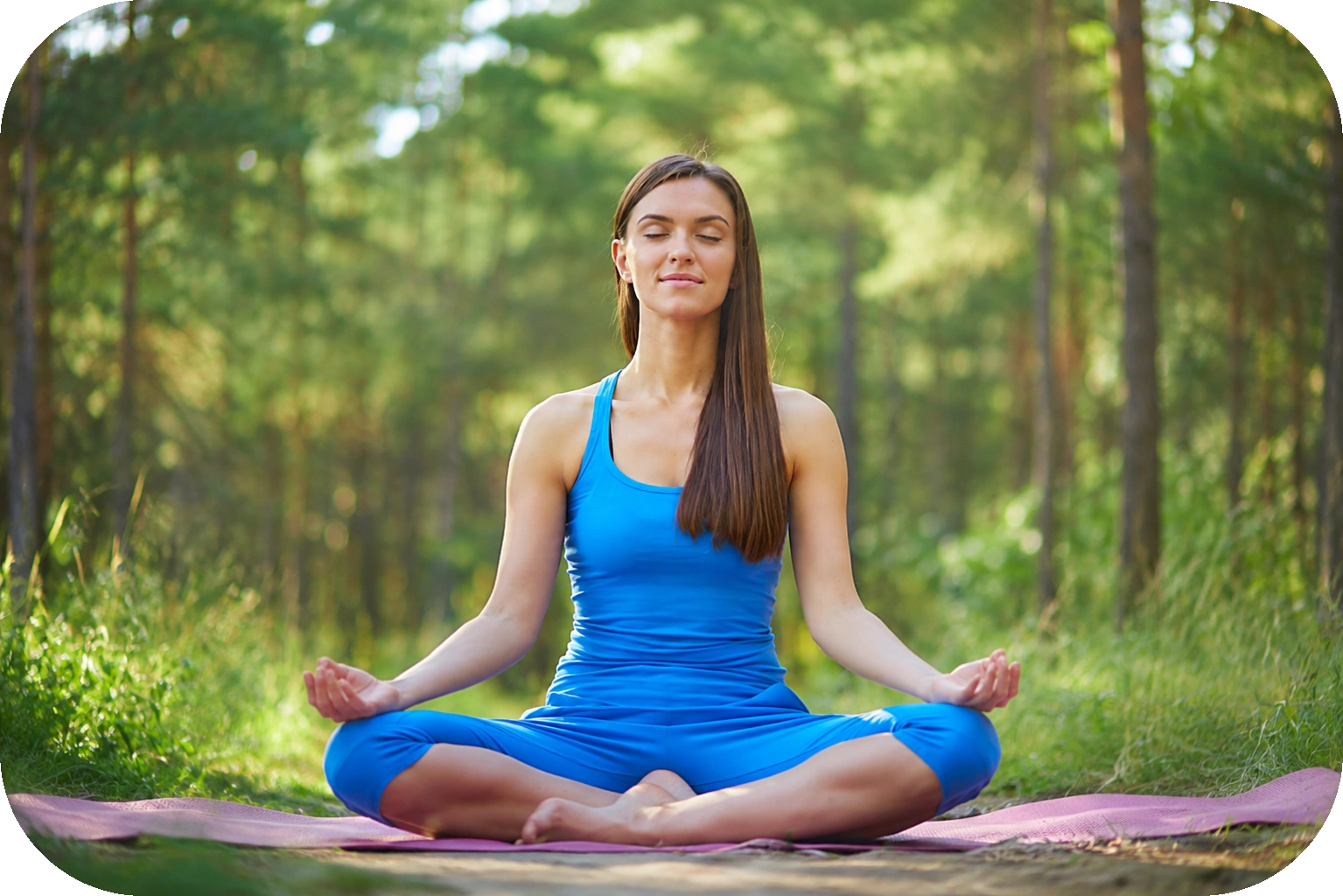
Mindful habits for healthier daily routines

Mindful habits for healthier daily routines
A Meditation Lifestyle is a simple and effective way to bring more calm, focus, balance, and awareness into everyday life. Meditation is not only about sitting quietly for a few minutes; it can become a healthy daily habit that supports mental wellness, stress management, self-care, healthy living, and better health. With regular practice, meditation can help you create a more peaceful mindset and develop healthier lifestyle habits.
Meditation Lifestyle A Step-by-Step Guide to a Healthier, Calmer Life

“The spirit of meditation is combating stress and anxiety.”

1. Create a Peaceful Meditation Space
The first step toward a successful Meditation Lifestyle is creating a comfortable and peaceful space. Choose a quiet area where you can sit without distractions. Keep the space clean and simple. Soft lighting, comfortable clothing, and a supportive cushion can make your meditation routine more enjoyable. A dedicated space can also remind you to practice meditation consistently.
2. Start With Simple Breathing
Begin your meditation by focusing on your breathing. Sit comfortably, relax your shoulders, and take slow, natural breaths. Pay attention to the feeling of breathing in and breathing out. If your mind becomes distracted, gently return your attention to your breath. This simple practice can support stress management, relaxation, focus, and emotional wellness.
3. Practice Mindfulness
Mindfulness meditation teaches you to pay attention to the present moment without judging your thoughts or feelings. Notice what is happening around you and within you. Instead of worrying about the past or future, focus on the present. Practicing mindfulness regularly can encourage greater awareness and support a healthier, more balanced lifestyle.
4. Build a Daily Meditation Routine
Consistency is important when developing a Meditation Lifestyle. Start with five to ten minutes each day and gradually increase your practice as you become comfortable. Choose a convenient time, such as morning, lunchtime, or before bed. A regular routine makes meditation easier to maintain and turns it into a natural part of your healthy habits.
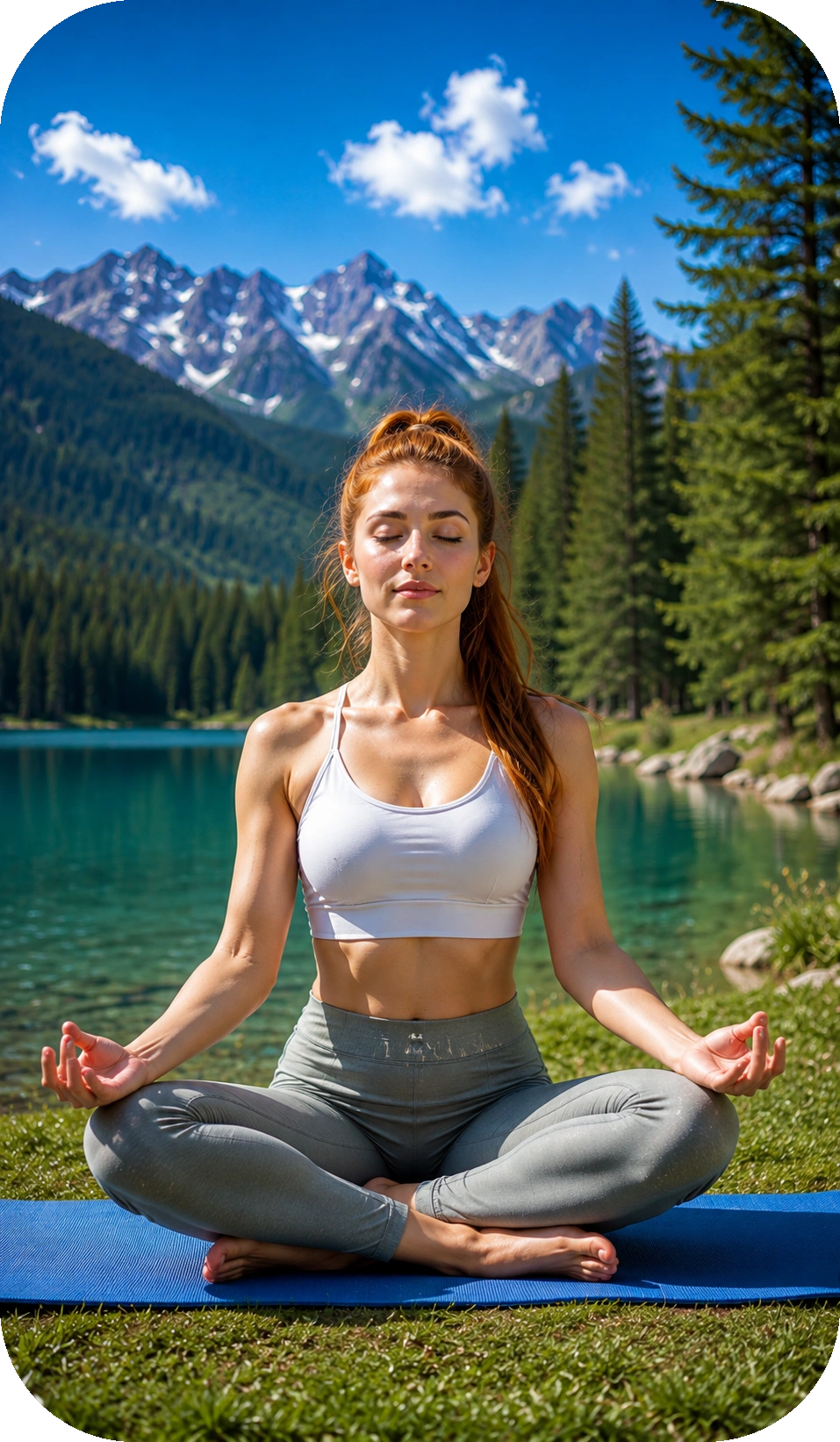

“If you quiet the mind, the condition of the body will improve.”
5. Combine Meditation With Healthy Living
Meditation works well alongside other Healthy Lifestyle Tips. Combine your meditation practice with healthy eating, nutrition and wellness, fitness and exercise, quality sleep, hydration, and self-care. This balanced approach can support both physical and mental well-being. Meditation can help you become more aware of your daily choices and encourage healthier routines.

6. Use Meditation for Stress Management
Daily responsibilities can sometimes create stress and mental fatigue. Meditation provides an opportunity to slow down and reconnect with yourself. Regular practice can help you develop relaxation habits and manage everyday stress more effectively. Pair meditation with deep breathing, gentle stretching, walking, or other relaxing activities for a complete wellness routine.
7. Stay Patient and Consistent
Meditation is a personal journey, and results may take time. Do not worry if your mind feels busy during practice. The goal is not to stop every thought but to become more aware of your thoughts and gently bring your attention back. Stay consistent, be patient with yourself, and celebrate small improvements.
8. Practice Guided Meditation
Guided meditation can be helpful for beginners who find it difficult to meditate alone. A guided session provides simple instructions for breathing, relaxation, mindfulness, and focus. You can choose a short session that fits your daily routine. Regular guided meditation can make your Meditation Lifestyle easier to maintain while supporting Stress Management, Self-Care, Mental Wellness, and Better Health.
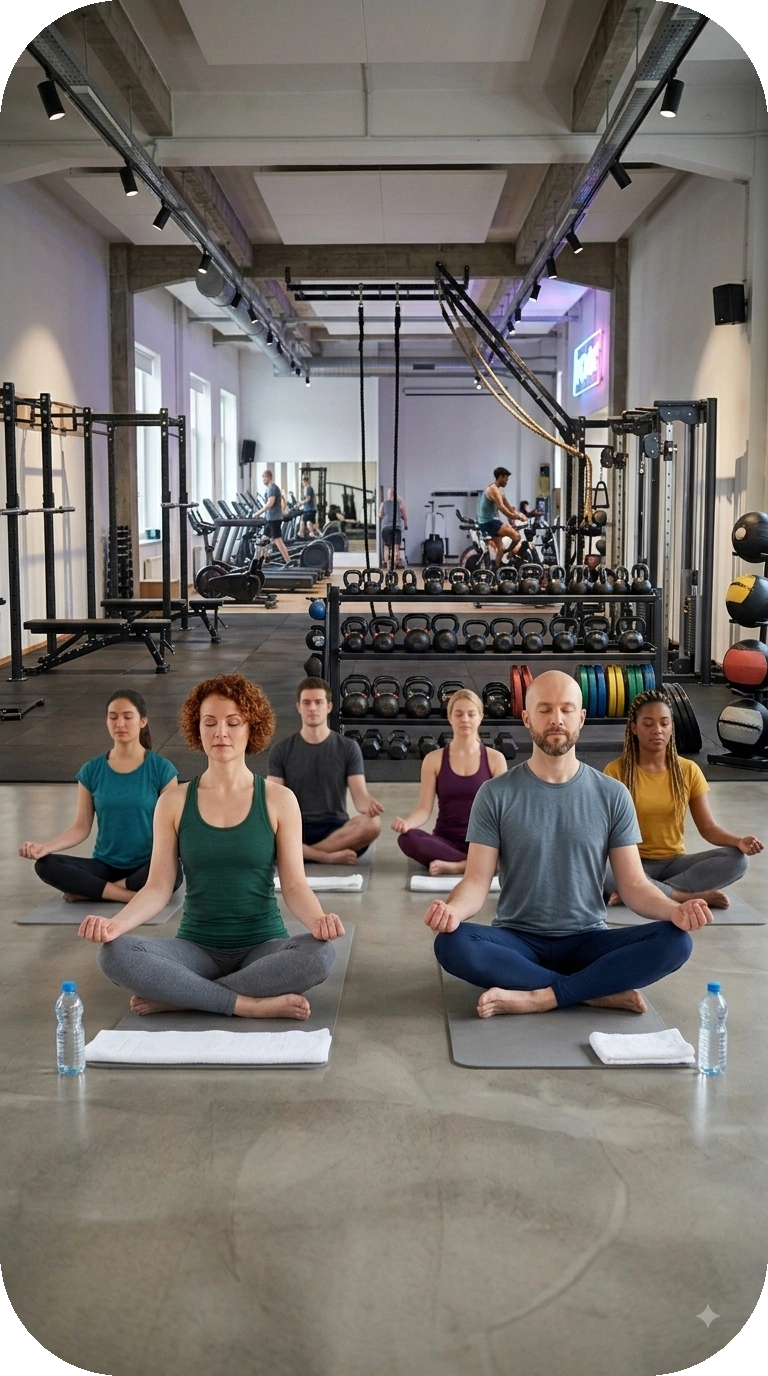

“Through meditation, the higher self is experienced.”
9. Practice Gratitude and Positive Thinking
Include gratitude and positive thinking in your meditation routine. Spend a few quiet moments thinking about the people, experiences, and opportunities you appreciate. This simple practice can encourage a positive mindset and emotional balance. Combining meditation with gratitude can support Healthy Habits, Emotional Wellness, Self-Care, and a healthier lifestyle.
10. Make Meditation Part of Your Everyday Life
The final step is to make meditation a natural part of your everyday routine. Practice mindfulness while walking, eating, working, exercising, or relaxing. Take a few deep breaths when you feel overwhelmed and give yourself time to slow down. By making mindfulness part of daily activities, you can create a sustainable Meditation Lifestyle that supports Healthy Living, Stress Management, Fitness and Wellness, Mental Wellness, and overall well-being.
11. Start Your Meditation Lifestyle Today
You do not need hours of meditation to begin. Start with just five minutes of mindful breathing each day and gradually build your routine. Small, consistent steps can help create a calmer mindset, healthier habits, and greater awareness in everyday life.
12. Make Mindfulness a Daily Habit
A lasting Meditation Lifestyle is built through consistency. Make time for meditation, practice gratitude, focus on your breathing, and stay present throughout your day. With patience and regular practice, mindfulness can become a meaningful part of your journey toward inner peace, balance, wellness, and Better Health.

5 Key Benefits of a Meditation Lifestyle
A Meditation Lifestyle can become a powerful part of a healthy daily routine. By practicing mindfulness, breathing exercises, relaxation, and self-awareness consistently, you can create healthier habits that support your overall well-being. The five key benefits below explain how meditation can support Inner Peace, Stress Management, Mental Wellness, Self-Care & Relaxation, and Balance & Well-Being.

1. Inner Peace Meditation
Inner Peace is one of the most valuable benefits of developing a Meditation Lifestyle. Modern life can be busy, and work, family responsibilities, technology, and daily challenges can make it difficult to slow down. Meditation creates a quiet moment where you can pause, breathe, and reconnect with yourself.
Step 1: Find a Quiet Place
Choose a comfortable location with fewer distractions. It can be a quiet corner of your home, garden, or any peaceful place where you feel relaxed.
Step 2: Get Comfortable
Sit on a chair, cushion, or mat. Keep your body relaxed and allow your shoulders to drop naturally. Choose a position that feels comfortable and sustainable.
Step 3: Focus on Breathing
Pay attention to your natural breathing. Notice each inhale and exhale without forcing your breath. Let your attention rest gently on the rhythm of breathing.
Step 4: Observe Your Thoughts
Thoughts will naturally appear during meditation. Instead of fighting them, simply notice them. When your attention moves away, gently return your focus to your breathing.
Step 5: Stay Present
Focus on what you are experiencing right now. Notice your breathing, surroundings, and body instead of constantly thinking about the past or future.
Step 6: Practice Every Day
Start with five to ten minutes each day. Choose a time that works well for your routine, such as morning or evening. Consistency is more important than long sessions.
Step 7: Bring Calm Into Daily Life
Practice mindfulness while walking, eating, working, exercising, or relaxing. Taking a few slow breaths during a busy moment can help you pause and reset.
Step 8: Be Patient With Yourself
Developing inner peace takes time. Some days may feel calm, while other days may feel distracting. Continue practicing without judging yourself.
Final Thought
Inner peace begins with small moments of awareness. By creating a quiet space, focusing on your breathing, accepting your thoughts, practicing mindfulness, and staying consistent, you can gradually make calmness and awareness a natural part of your everyday Meditation Lifestyle.

2. Stress Management
Stress Management is an important benefit of developing a Meditation Lifestyle. Busy schedules, work responsibilities, family commitments, technology, and everyday challenges can sometimes leave you feeling overwhelmed or mentally tired. Meditation creates a simple opportunity to slow down, focus on the present moment, and give yourself time to relax. By practicing mindfulness and meditation regularly, you can make calm and self-awareness a natural part of your daily routine.
Step 1: Recognize Stress
The first step is to notice when you are feeling stressed. Pay attention to signs such as a busy mind, physical tension, frustration, tiredness, or difficulty focusing. Recognizing these feelings helps you understand when it is time to pause.
Step 2: Take a Short Break
When you notice stress, stop for a moment and move away from unnecessary distractions. Sit comfortably or find a quiet place where you can take a few minutes for yourself.
Step 3: Focus on Your Breathing
Begin paying attention to your natural breathing. Slowly notice each inhale and exhale. There is no need to force your breathing. Simply allow your attention to rest on each breath.
Step 4: Relax Your Body
Bring your attention to your body. Notice whether your shoulders, neck, hands, face, or legs feel tense. Gently relax areas where you are holding unnecessary tension.
Step 5: Observe Your Thoughts
Stressful thoughts may continue to appear during meditation. Instead of trying to push them away, notice them without judgment. Then gently return your attention to your breathing.
Step 6: Practice Mindfulness
Mindfulness means paying attention to the present moment. Notice what you can see, hear, feel, and experience right now. This can help you step away from constantly thinking about past problems or future responsibilities.
Step 7: Create a Daily Meditation Routine
Start with five to ten minutes of meditation each day. Choose a convenient time, such as early morning, during a break, or before bedtime. A consistent routine makes meditation easier to maintain.
Step 8: Add Relaxing Activities
Combine meditation with other healthy activities such as walking, stretching, reading, listening to calming music, or spending time outdoors. These activities can complement your overall relaxation routine.
Step 9: Practice During Busy Moments
You do not always need a long meditation session. Take a few mindful breaths before an important task, during a work break, or whenever you feel overwhelmed. Short mindful pauses can become useful everyday habits.
Step 10: Build a Balanced Lifestyle
Support your Stress Management routine with Healthy Eating, Fitness & Exercise, Quality Sleep, Self-Care, Hydration, and Healthy Habits. A balanced lifestyle can provide multiple ways to support your overall well-being.
Final Thought
Managing stress is an ongoing process, not something that needs to be achieved instantly. By recognizing stressful moments, slowing your breathing, practicing mindfulness, taking regular breaks, and maintaining healthy daily habits, you can create a more balanced Meditation Lifestyle focused on relaxation, awareness, and overall well-being.
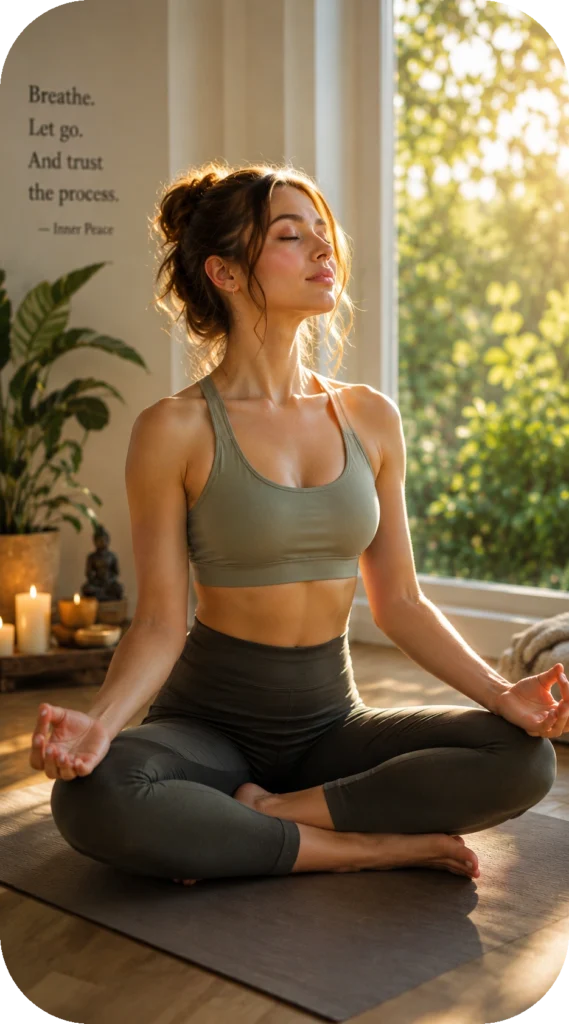
3. Mental Wellness
Mental Wellness is an important part of a healthy and balanced Meditation Lifestyle. Taking care of your mind is just as important as taking care of your body. Daily responsibilities, constant technology use, busy schedules, and personal challenges can make it difficult to slow down and focus. Meditation gives you an opportunity to pause, observe your thoughts, and become more aware of the present moment.
Step 1: Check In With Yourself
Begin by taking a few quiet moments to notice how you feel. Ask yourself whether you feel calm, tired, distracted, worried, or overwhelmed. You do not need to change anything immediately. Simply becoming aware of your current state is an important first step.
Step 2: Find a Comfortable Place
Choose a quiet and comfortable location for meditation. Sit on a chair, cushion, or mat and allow your body to relax. Remove unnecessary distractions so you can give yourself a few minutes of uninterrupted attention.
Step 3: Focus on Your Breathing
Bring your attention to your natural breathing. Notice the movement of each inhale and exhale. If your mind becomes distracted, gently return your attention to your breath without criticizing yourself.
Step 4: Observe Your Thoughts
During meditation, different thoughts and emotions may appear. Instead of judging them as good or bad, simply notice them. Think of your thoughts as temporary experiences that can come and go while you remain focused on the present.
Step 5: Practice Mindfulness
Mindfulness means paying attention to what is happening right now. Notice your body, breathing, sounds, surroundings, and feelings. Practicing this awareness can help you become more intentional about your everyday choices and routines.
Step 6: Add Gratitude
After meditation, spend a few moments thinking about something you appreciate. It could be a person, experience, achievement, opportunity, or simple moment from your day. Gratitude can become a positive addition to your daily mindfulness practice.
Step 7: Make Time for Self-Care
Give yourself regular time to rest and recharge. Meditation can become part of a broader Self-Care routine that includes reading, walking, stretching, relaxing, spending time in nature, or enjoying meaningful activities.
Step 8: Practice Mindfulness Throughout the Day
You do not have to meditate only while sitting quietly. Practice mindfulness when eating, walking, working, exercising, or talking with others. Give your full attention to the activity you are doing instead of constantly switching between distractions.
Step 9: Support Your Mental Wellness With Healthy Habits
Combine meditation with Healthy Eating, Fitness & Exercise, Quality Sleep, Stress Management, Hydration, and Healthy Living. These habits can work together as part of a balanced approach to overall wellness.
Step 10: Stay Consistent
You do not need to meditate for long periods. Start with five to ten minutes and gradually develop your routine. Consistency and patience are more important than trying to achieve perfection.
Final Thought
Mental Wellness is an ongoing journey. By checking in with yourself, practicing mindful breathing, observing your thoughts, making time for self-care, and developing healthy daily habits, you can create greater awareness and balance. Make meditation a regular part of your Meditation Lifestyle and allow mindfulness to become a natural part of your journey toward better overall well-being.

4. Self-Care & Relaxation
Self-Care & Relaxation are important parts of a healthy Meditation Lifestyle. In a busy daily routine, it is easy to focus on work, family, responsibilities, and other people while forgetting to make time for yourself. Meditation provides a simple opportunity to slow down, relax, and reconnect with your body and mind. Building regular self-care practices can help create a more balanced and mindful lifestyle.
Step 1: Make Time for Yourself
Start by setting aside a few minutes every day for personal time. You do not need a long period. Even five to ten quiet minutes can become an important part of your daily wellness routine.
Step 2: Create a Relaxing Space
Choose a clean, comfortable, and peaceful place for meditation. Reduce unnecessary noise and distractions. A comfortable chair, cushion, or mat can help you feel relaxed during your practice.
Step 3: Practice Mindful Breathing
Sit comfortably and focus on your natural breathing. Notice each inhale and exhale without forcing your breath. If your mind becomes distracted, gently return your attention to your breathing.
Step 4: Relax Your Body
Slowly notice how your body feels. Pay attention to areas such as your shoulders, neck, face, hands, and legs. If you notice tension, allow yourself to relax naturally.
Step 5: Reduce Digital Distractions
Phones, computers, and social media can make it difficult to fully relax. During your meditation time, consider putting your devices away or switching off unnecessary notifications.
Step 6: Combine Meditation With Relaxation
Meditation can be combined with other relaxing activities. Try gentle stretching, walking, reading, journaling, listening to peaceful music, or spending time outdoors after your meditation session.
Step 7: Practice Gratitude
Take a few moments to think about things you appreciate. Gratitude can help make your self-care routine more positive and encourage you to notice simple, meaningful experiences throughout the day.
Step 8: Create an Evening Routine
Consider adding meditation to your evening routine. Spend a few quiet minutes breathing, reflecting on your day, or practicing mindfulness before moving toward your bedtime routine.
Step 9: Choose Healthy Self-Care Habits
Support your relaxation routine with Healthy Eating, Fitness & Exercise, Quality Sleep, Hydration, Stress Management, and Healthy Habits. Self-care works best when it becomes part of a balanced lifestyle.
Step 10: Stay Consistent
Choose self-care practices that are realistic for your lifestyle. You do not need a complicated routine. Small practices repeated regularly can become sustainable habits over time.
Final Thought
Self-Care & Relaxation are not about escaping everyday responsibilities. They are about creating healthy moments to pause, recharge, and become more aware of your needs. By practicing meditation, mindful breathing, gratitude, relaxation, and healthy habits consistently, you can make self-care a natural part of your Meditation Lifestyle and support greater balance and well-being.

5. Balance & Well-Being
Balance & Well-Being bring together the different parts of a healthy Meditation Lifestyle. Meditation can become more meaningful when combined with healthy eating, regular movement, quality sleep, self-care, mindfulness, and positive daily habits. The goal is not to create a perfect routine but to build simple, sustainable habits that support your physical, mental, and emotional well-being.
Step 1: Create a Balanced Daily Routine
Start by organizing your day around healthy priorities. Make time for work, meals, exercise, meditation, relaxation, and sleep. A realistic routine can help you avoid neglecting important areas of your well-being.
Step 2: Add Regular Exercise
Combine meditation with Fitness & Exercise. Walking, stretching, yoga, strength training, or other enjoyable physical activities can support an active lifestyle. Meditation can complement exercise by giving you time to focus and relax.
Step 3: Choose Healthy Foods
Nutrition is an important part of overall well-being. Include nutritious foods and balanced meals in your daily routine. Practice mindful eating by slowing down, paying attention to your food, and avoiding unnecessary distractions during meals.
Step 4: Prioritize Quality Sleep
Good sleep is an important part of a balanced lifestyle. Create a relaxing evening routine and give yourself enough time to rest. A short meditation or breathing practice can be included before bedtime as part of your relaxation routine.
Step 5: Stay Hydrated
Make hydration a regular healthy habit. Keep water available throughout the day and include hydration as part of your overall Nutrition and Wellness routine.
Step 6: Practice Mindfulness Throughout the Day
Meditation does not have to happen only while sitting quietly. Practice mindfulness while walking, eating, exercising, working, or spending time with family and friends. Focus your attention on what you are doing instead of constantly switching between distractions.
Step 7: Make Time for Self-Care
Set aside regular time for yourself. Read, walk, stretch, journal, relax, or simply enjoy a few quiet moments. Self-care can help make your wellness routine more enjoyable and sustainable.
Step 8: Review Your Lifestyle
Take time each week to consider your habits. Ask yourself what is working well and what could be improved. You may discover that changing your meditation time, exercise routine, sleep schedule, or meal planning makes your lifestyle easier to maintain.
Step 9: Set Realistic Goals
Avoid trying to change everything at once. Begin with small goals, such as five minutes of meditation, a daily walk, healthier meals, or a consistent bedtime. Gradually build new habits as you become comfortable.
Step 10: Make Wellness a Lifestyle
The final step is consistency. Instead of viewing meditation and wellness as temporary goals, make them regular parts of your everyday life. Combine mindfulness with Healthy Living, Stress Management, Self-Care, Fitness & Exercise, Healthy Eating, and Quality Sleep.
Final Thought
Balance & Well-Being come from creating harmony between your mind, body, and everyday routine. By practicing meditation, staying active, eating nutritious foods, getting quality sleep, making time for self-care, and maintaining healthy habits, you can build a sustainable Meditation Lifestyle that supports greater awareness, balance, and overall wellness.

Final Thoughts Make Meditation Part of Your Lifestyle
A meditation lifestyle is not about escaping everyday responsibilities or becoming perfectly calm all the time. It is about creating small moments of awareness, balance, and self-care within your daily routine. Even a few minutes of mindful breathing can help you slow down, reconnect with yourself, and approach the day with greater clarity.
The beauty of meditation is that it can fit almost anywhere. You can meditate after waking up, during a quiet lunch break, after exercise, or before going to bed. There is no need for a complicated routine or special environment. What matters most is consistency and finding a practice that feels comfortable for you.
Combining meditation with healthy habits can create a more balanced lifestyle. Regular physical activity, nutritious meals, quality sleep, time outdoors, meaningful relationships, and moments away from digital distractions can all support overall well-being. Meditation can become the quiet foundation that helps you appreciate these habits rather than simply rushing through them.
Remember that progress does not mean having a completely empty mind. Thoughts will naturally appear. Instead of judging yourself, gently return your attention to your breathing, body, or surroundings. With regular practice, mindfulness can gradually become part of how you respond to everyday situations.
Your wellness journey does not need to be complicated. Start with a few peaceful minutes today and build from there. Listen to your body, give your mind time to rest, and make space for what truly matters.
A healthier lifestyle begins with small, intentional choices. Take a breath, slow down, and give yourself permission to be present. Your journey toward greater inner peace can begin with just one mindful moment today.