

Yoga for Beginners 10 Benefits and Simple Poses for Everyday Wellness
Yoga is a simple and effective way to support a healthier lifestyle. By combining physical postures, breathing techniques, and mindful relaxation, yoga can help improve flexibility, balance, body awareness, and stress management. Whether you are a beginner or an experienced practitioner, adding yoga to your daily routine can be a valuable step toward better health and overall well-being.
In today’s busy world, many people spend long hours sitting, working on computers, managing responsibilities, and dealing with everyday stress. Finding time for physical activity and relaxation can sometimes feel challenging. Yoga offers a flexible way to incorporate gentle movement, controlled breathing, and mindfulness into your everyday routine.
At Revive | Valuable Health & Wellness, we believe that small, consistent habits can help you build a healthier and more balanced life. With the right approach, yoga can become an enjoyable part of your journey toward stronger everyday living and lifelong wellness.
What Is Yoga?
Yoga is a mind-body practice that combines physical postures, breathing techniques, and mindfulness. It encourages you to pay attention to your movements, breathing patterns, posture, and overall physical comfort.
Yoga has a long history and is practised in many different forms. Some styles focus on gentle stretching and relaxation, while others involve flowing sequences, strength, balance, and greater physical activity.
You can practise yoga at home, outdoors, or in a class, depending on your comfort level and fitness goals. Beginners do not need to master difficult poses or have exceptional flexibility. Starting with simple movements and gradually developing your practice is often the most practical approach.
For a more detailed overview of yoga, its different styles, potential health benefits, and safety considerations, read this guide from Medical News Today: Everything You Need to Know About Yoga.
Yoga can also complement other healthy habits, such as walking, strength training, balanced nutrition, and adequate sleep.
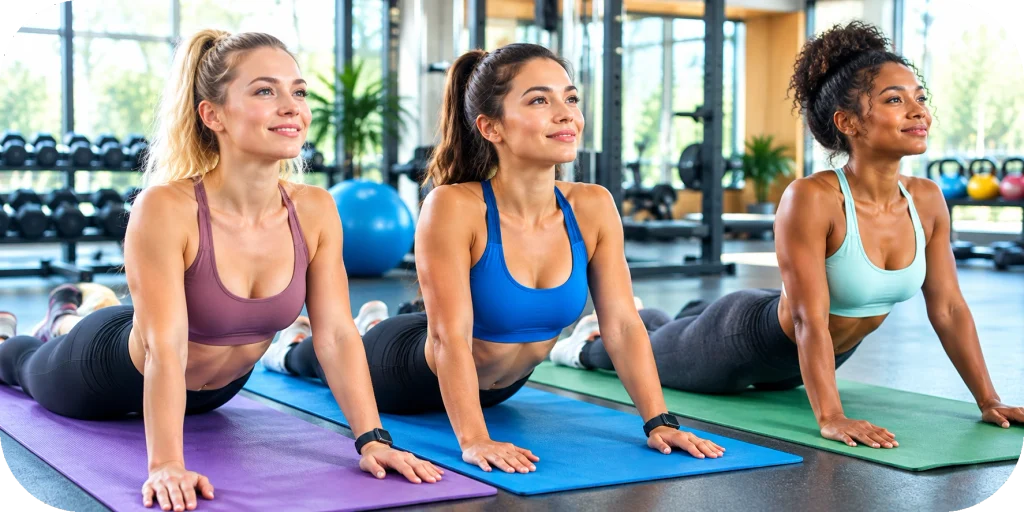
10 Benefits of Practising Yoga
1. Improves Flexibility
Flexibility is an important part of everyday movement. It helps you bend, reach, turn, and perform daily activities comfortably. Regular yoga practice gently stretches the muscles and helps improve your range of motion over time.
Beginner-friendly poses, including Cat-Cow, Child’s Pose, and gentle seated stretches, can help you become more comfortable with movement.
You do not need to touch your toes or perform advanced stretches to benefit from yoga. Start within your comfortable range and gradually progress without forcing your body into a position.
2. Builds Strength and Balance
Yoga is not only about stretching. Many poses require you to support your body weight, engage your muscles, and maintain a stable position.
Standing poses, supported balancing exercises, and gentle plank variations can engage the muscles of the legs, arms, back, and abdomen.
Improved balance and muscular control can be useful for everyday activities such as climbing stairs, standing for longer periods, and moving confidently. Beginners can use a wall or sturdy chair for support when learning balance poses.
3. Helps Manage Everyday Stress
Daily responsibilities, work pressure, and personal challenges can contribute to stress. Yoga provides an opportunity to slow down, focus on your breathing, and take a break from distractions.
Gentle movement combined with mindful breathing may help some people feel calmer and more relaxed. Even a short session can create space for reflection and relaxation.
For a simple starting point, sit comfortably, relax your shoulders, and breathe naturally for two to five minutes. Avoid forcing deep breaths or holding your breath.
4. Supports Better Sleep
A consistent bedtime routine can help prepare your body and mind for sleep. Gentle yoga, comfortable stretching, and relaxation exercises may help some people unwind before bed.
You can try a few minutes of gentle seated stretching or a comfortable relaxation pose in the evening. Choose movements that feel soothing rather than stimulating.
Yoga is not a replacement for appropriate treatment for persistent sleep difficulties, but it can be one part of a healthy sleep routine.
5. Encourages Mindfulness
Mindfulness means paying attention to the present moment without unnecessarily judging your thoughts or experiences.
Yoga encourages you to notice your breathing, posture, muscle tension, and movements. This awareness can help you recognise when your body needs rest or when you are pushing yourself too hard.
Over time, mindfulness may also encourage more thoughtful daily habits, such as taking regular movement breaks, eating without distractions, and making time for relaxation.
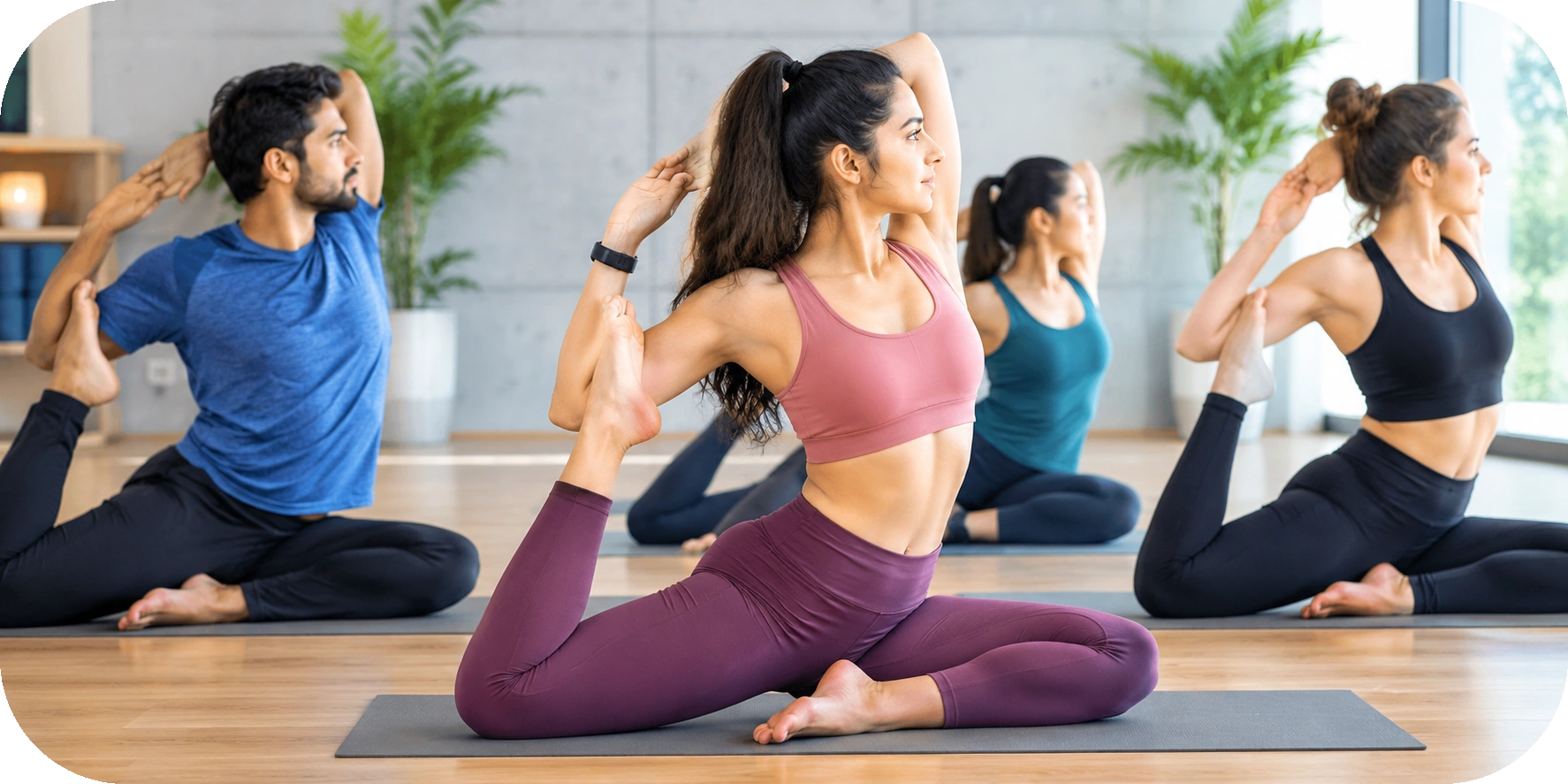
6. Supports Healthy Posture
Long periods of sitting or looking down at a screen can contribute to discomfort and poor movement habits. Yoga can help develop awareness of spinal alignment, shoulder position, and the muscles involved in maintaining posture.
Gentle chest-opening movements, supported standing poses, and comfortable spinal mobility exercises may help you move more freely.
Remember that there is no single perfect posture for every situation. Regularly changing positions, taking movement breaks, and adjusting your workspace are also important parts of a healthy routine.
7. Promotes Healthy Movement
Movement is an essential part of maintaining an active lifestyle. Yoga provides a way to move your body gently, especially when you want an alternative to more intense exercise.
A short routine can include stretching, standing poses, controlled transitions, and relaxation. You can modify exercises to suit your mobility, available space, and fitness level.
Yoga can complement walking, cycling, swimming, and other activities rather than replacing all forms of physical exercise.
8. Improves Body Awareness
Body awareness involves recognising how your body moves, where you hold tension, and how different positions feel.
During yoga, you learn to notice your balance, breathing, muscle engagement, and comfort level. This can help you make better decisions about modifying exercises or taking a break when necessary.
Improved awareness is particularly useful for beginners because it encourages a gradual approach instead of comparing progress with other people.
9. Supports Emotional Well-Being
Relaxation, gentle movement, and mindfulness may help support emotional well-being. Yoga gives you dedicated time to step away from daily distractions and focus on yourself.
Some people find that a regular yoga routine helps them feel calmer and more connected to their daily activities. Experiences vary, and yoga should not be viewed as a substitute for professional mental health care when needed.
A few quiet minutes of breathing or relaxation can be a useful starting point for building a self-care routine.
10. Builds a Consistent Wellness Habit
One of the most practical benefits of yoga is that it can be adapted to different schedules and abilities.
You do not need an expensive gym membership or a large space to begin. A comfortable area, suitable clothing, and a stable surface are often enough for a simple routine.
Starting with five to ten minutes can make the habit easier to maintain. As you become more comfortable, you can gradually increase your practice.
The goal is to develop a routine that fits your life, not to achieve perfection immediately.
Learn more about the potential health benefits of yoga in this informative guide from Johns Hopkins Medicine: 9 Benefits of Yoga.
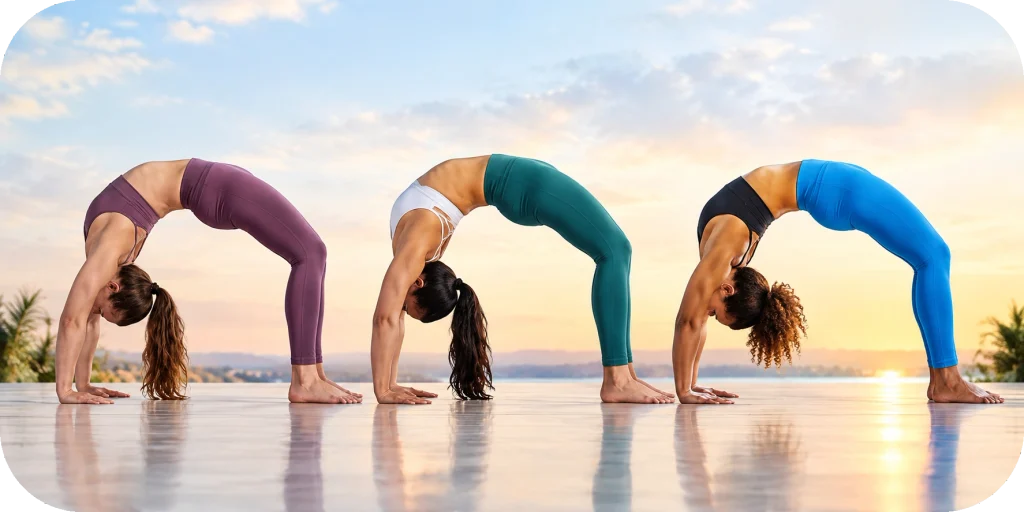
10 Simple Yoga Poses for Beginners
The following poses can help introduce you to basic yoga movements. Start slowly, breathe naturally, and use supports when necessary.
1. Mountain Pose (Tadasana)
Mountain Pose is a foundational standing posture that encourages awareness of alignment and balance.
Stand with your feet comfortably positioned and your weight distributed evenly. Keep your knees relaxed, shoulders down, and arms by your sides. Look forward and breathe naturally.
Hold the position for several comfortable breaths.
Beginner tip: Stand near a wall if you need support with balance.
2. Cat-Cow Pose (Marjaryasana-Bitilasana)
Cat-Cow is a gentle movement that takes your spine through comfortable rounding and arching positions.
Begin on your hands and knees, with your hands beneath your shoulders and knees beneath your hips. As you breathe in, gently lift your chest and allow your back to arch slightly. As you breathe out, round your back comfortably and lower your head.
Repeat slowly for several cycles without forcing the movement.
Beginner tip: Place a folded towel beneath your knees if the floor feels uncomfortable.
3. Child’s Pose (Balasana)
Child’s Pose is a resting position often used during gentle yoga sessions.
Begin kneeling and slowly lower your hips toward your heels as you extend your arms forward or rest them beside your body. Allow your upper body to relax into a comfortable position.
Stay for several natural breaths.
Beginner tip: Place a cushion beneath your chest or between your thighs and calves if needed. Choose another comfortable resting position if kneeling causes discomfort.
4. Tree Pose (Vrikshasana)
Tree Pose focuses on balance, stability, and body awareness.
Stand upright and shift your weight onto one foot. Place the other foot against your inner ankle or calf, avoiding direct pressure on your knee. Bring your hands together in front of your chest if comfortable.
Hold briefly, return to the starting position, and repeat on the other side.
Beginner tip: Keep one hand on a sturdy chair or wall to help maintain balance.
5. Corpse Pose (Savasana)
Corpse Pose is a relaxation posture commonly used at the end of a yoga session.
Lie on your back with your legs comfortably separated and your arms resting by your sides. Allow your shoulders and jaw to relax. Breathe naturally and notice the contact between your body and the floor.
Remain in the position for two to five minutes, or for as long as comfortable.
Beginner tip: Place a pillow beneath your knees if that makes your lower back more comfortable.
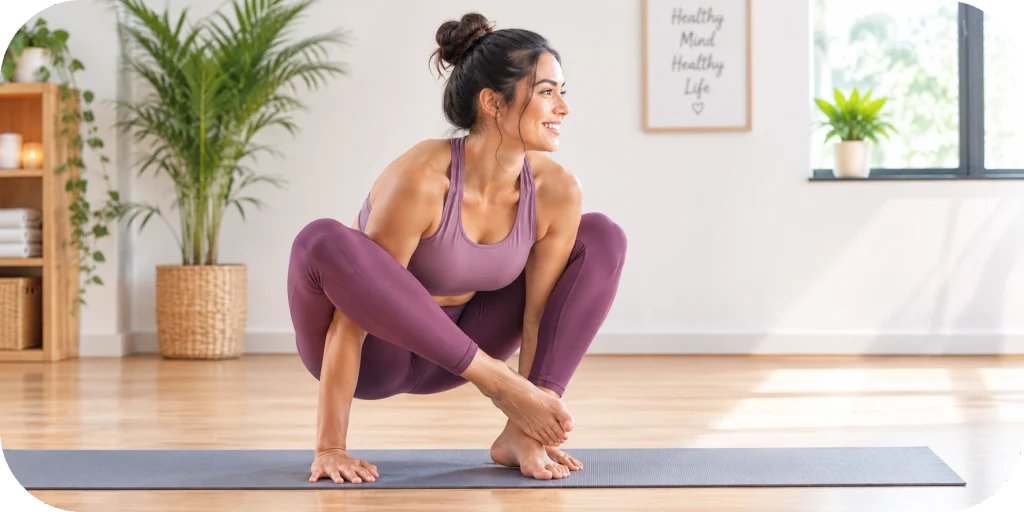
6. Seated Forward Bend (Paschimottanasana)
This seated posture introduces a gentle stretch to the back of the legs and the back of the body.
Sit with your legs extended in front of you. Keep your spine comfortably long and hinge forward slightly from your hips. Rest your hands on your thighs or shins rather than reaching forcefully for your feet.
Stay within a comfortable range and return to an upright position slowly.
Beginner tip: Bend your knees slightly or sit on a folded blanket if your hamstrings feel tight.
7. Bridge Pose (Setu Bandhasana)
Bridge Pose can engage the muscles of the hips, legs, and abdomen.
Lie on your back with your knees bent and feet flat on the floor. Keep your arms by your sides. Gently press through your feet and lift your hips a comfortable distance while keeping your neck relaxed.
Pause briefly, then lower your hips slowly.
Beginner tip: Begin with a small lift. Stop if you experience back or neck pain, and avoid turning your head while your hips are raised.
8. Standing Forward Fold (Uttanasana)
This posture introduces a gentle forward bend and can help you explore comfortable movement through your hips and legs.
Stand with your feet about hip-width apart. Bend your knees slightly and hinge forward from your hips, allowing your arms to hang or resting your hands on your thighs.
Keep your weight balanced and avoid pulling your body down.
Beginner tip: Rest your hands on a sturdy chair or blocks rather than reaching toward the floor.
9. Seated Easy Pose (Sukhasana)
Easy Pose offers a comfortable position for breathing exercises and mindfulness.
Sit cross-legged on a cushion or sit upright in a chair with your feet supported. Relax your shoulders, rest your hands on your thighs, and allow your breathing to remain natural.
Stay for two to five minutes while gently noticing each breath.
Beginner tip: Sitting on a chair is perfectly acceptable if sitting on the floor feels uncomfortable.
10. Legs-Up-the-Wall Pose (Viparita Karani Variation)
This supported posture can provide a comfortable opportunity to rest after a busy day.
Sit sideways next to a wall and carefully lower your upper body onto the floor as you bring your legs up against the wall. Adjust your position so that your back feels comfortable and your legs are supported.
Remain for a few minutes if the position feels suitable.
Beginner tip: Keep your hips a comfortable distance from the wall. Choose another resting pose if this position causes discomfort or is unsuitable for your health needs.
A Simple 10-Minute Daily Yoga Routine
A short routine can help you get started without making your day feel more complicated.
Minute 1–2: Relax and Breathe
Sit comfortably or stand with your feet firmly supported. Relax your shoulders and breathe naturally. Bring your attention to the rhythm of your breathing without forcing it.
Minute 3–4: Mountain Pose and Gentle Stretching
Practise Mountain Pose, then gently roll your shoulders and stretch your arms within a comfortable range. Keep your movements slow and controlled.
Minute 5–6: Cat-Cow Pose
Move between the Cat and Cow positions at a comfortable pace. Coordinate your movements with your breathing and avoid pushing your spine beyond its natural range.
Minute 7–8: Supported Balance or Gentle Standing Movement
Practise a supported Tree Pose or perform a few gentle standing stretches. Use a wall or chair as needed.
Minute 9–10: Relaxation
Choose Child’s Pose, comfortable seated breathing, or Savasana. Allow your muscles to relax and finish your practice calmly.
Adjust the sequence to suit your abilities. If a pose is uncomfortable, skip it and choose a gentler alternative.
Explore more yoga poses, practical techniques, and tips for developing your practice with Yoga Journal.
Beginner Yoga Weekly Schedule
A weekly schedule can help you develop a realistic and sustainable routine.
Monday: Flexibility and Gentle Movement
Practise Mountain Pose, Cat-Cow, and comfortable standing stretches. Focus on moving slowly and learning the basic positions.
Tuesday: Breathing and Mindfulness
Spend five to ten minutes sitting comfortably, breathing naturally, and practising simple mindfulness. Add gentle shoulder movements if you wish.
Wednesday: Balance and Strength
Try supported Tree Pose and a gentle Bridge Pose if suitable for you. Focus on stability rather than holding a pose for a long time.
Thursday: Gentle Recovery
Choose Child’s Pose, seated stretching, or a short relaxation session. Rest when you need it.
Friday: Full-Body Beginner Yoga
Combine a few familiar poses into a short sequence. Pay attention to comfort, posture, and controlled movement.
Saturday: Yoga and Walking
Practise a short yoga routine and, if appropriate for your fitness level, add a comfortable walk outdoors.
Sunday: Rest and Reflection
Take a rest day or practise a few minutes of gentle breathing. Reflect on which movements felt comfortable and which ones you would like to improve.
This schedule is a flexible example rather than a requirement. Adjust the frequency and intensity to your needs and recovery.
Breathing Exercises to Complement Yoga
Breathing exercises can help you focus during yoga and create a relaxing transition between daily activities.
1. Natural Mindful Breathing
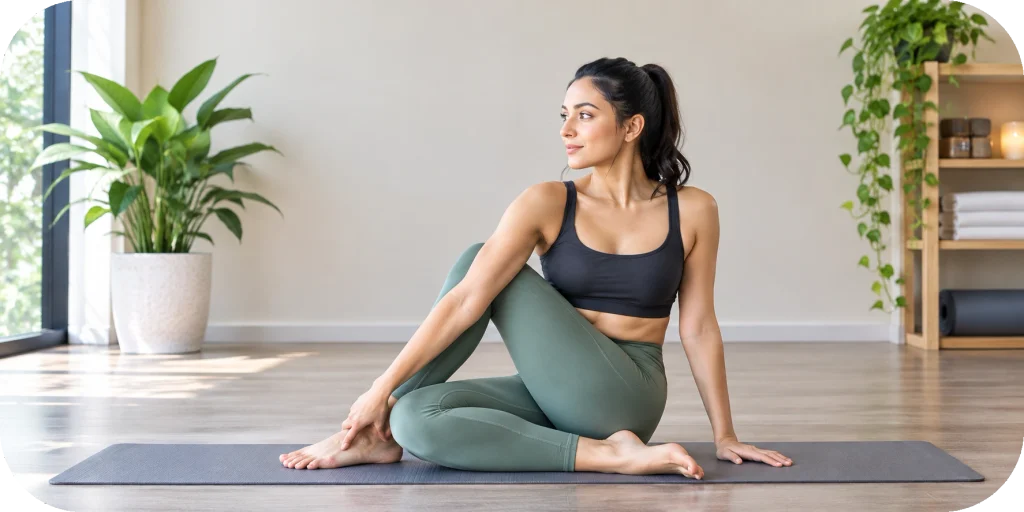
Sit comfortably and notice the movement of your chest or abdomen as you breathe. Let your breath flow naturally without trying to make it unusually deep.
Continue for one to three minutes, returning your attention to your breathing whenever your mind wanders.
2. Gentle Slow Breathing
Sit in a comfortable position and gradually allow your breathing to become slower if it feels natural. Keep each breath smooth and relaxed, without straining or holding it.
Stop and return to normal breathing if you feel dizzy, breathless, or uncomfortable.
3. Breathing with Gentle Movement
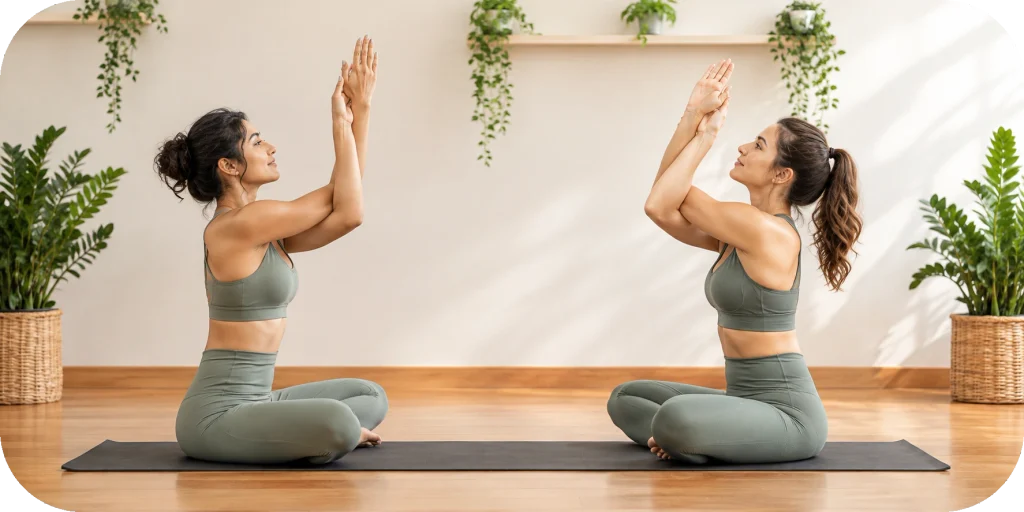
Raise your arms slowly as you breathe in, if comfortable, and lower them as you breathe out. Repeat several times while keeping your shoulders relaxed.
This simple exercise combines mindful breathing with gentle movement.
Yoga for Different Stages of Life
Yoga can be adapted to different ages, abilities, and personal goals. The most suitable practice depends on your comfort, mobility, and health needs.
Yoga for Young Adults
Young adults may use yoga to complement exercise, develop flexibility, practise balance, and create a routine that includes time for relaxation.
A short session after a long day of studying or working can provide a useful movement break.
Yoga for Busy Professionals
People who spend much of the day sitting may benefit from taking regular breaks for gentle stretching, standing movement, and mindful breathing.
A five-minute routine between work sessions can be easier to maintain than waiting for a long period of free time.
Yoga for Older Adults
Gentle and chair-supported yoga can provide opportunities to practise movement, flexibility, and balance. However, poses should be adapted to individual abilities, and people with balance difficulties or medical concerns should seek appropriate guidance.
A qualified instructor experienced in working with older adults can help select suitable movements.
Yoga for Families
Families can make gentle movement a shared wellness activity. Simple stretching, comfortable standing poses, and short breathing exercises can introduce children and adults to mindful movement.
Keep activities age-appropriate, avoid forcing flexibility, and make the experience enjoyable rather than competitive.
Yoga and Nutrition, Healthy Eating, Nutrition Management, Yoga Benefits, Mindful Eating, Healthy Lifestyle, Daily Yoga Routine, Wellness Tips, Balanced Diet, Health and Wellness
Nutrition Management guide
Yoga and Healthy Lifestyle Habits
Yoga works best as part of a broader approach to health and wellness. Consider combining your practice with these everyday habits.
Eat a Balanced Diet
Include a variety of vegetables, fruits, whole grains, protein sources, and healthy fats in your meals. Choose foods that meet your nutritional needs and support your daily activity.
You do not need a special diet simply because you practise yoga.
Stay Hydrated
Drink water regularly throughout the day and adjust your fluid intake according to activity, climate, and individual needs.
Get Enough Sleep
Maintain a consistent sleep schedule when possible. A calming evening routine, comfortable sleeping environment, and reduced screen use before bed may support better sleep habits.
Include Other Forms of Exercise
Yoga can complement aerobic activities, such as walking or cycling, and strength-building exercises. A varied exercise routine can support different aspects of physical fitness.
Take Regular Movement Breaks
If you work at a desk, stand up, walk, or change positions periodically. Short movement breaks can help reduce long periods of uninterrupted sitting.
Make Time for Relaxation
Choose activities that help you unwind, such as reading, spending time outdoors, listening to calming sounds, or connecting with friends and family.
Common Yoga Mistakes Beginners Should Avoid
1. Comparing Yourself with Others
People have different levels of flexibility, strength, balance, and experience. Focus on your own progress rather than trying to copy advanced poses.
2. Forcing Difficult Positions
Stretching should not cause sharp pain. Use modifications and stop if a pose feels uncomfortable.
3. Holding Your Breath
Breathing naturally can help you stay relaxed during movement. Avoid holding your breath unnecessarily, particularly when a pose feels challenging.
4. Doing Too Much Too Soon
Starting with long sessions or advanced routines may make it difficult to maintain the habit. Begin with manageable sessions and increase gradually.
5. Ignoring Rest
Rest is an important part of a balanced routine. Take breaks when needed and allow yourself time to recover after more demanding sessions.
6. Choosing an Unsuitable Practice
Some yoga styles are physically demanding. Beginners should choose a class or video that clearly identifies the level and offers appropriate modifications.
How Often Should Beginners Practise Yoga?
Beginners can start with five to ten minutes a day or two to three short sessions each week. Gradually increase the duration and frequency as your comfort and confidence improve.
Some people prefer a few longer sessions each week, while others enjoy short daily routines. Both approaches can work if they fit your schedule and physical needs.
Consistency is more important than attempting difficult poses or practising for long periods immediately. If you feel unusually tired or sore, reduce the intensity and allow time for recovery.
How to Create a Comfortable Yoga Space at Home
You do not need a dedicated studio to practise yoga. A small, quiet area can be enough.
- Choose a flat, stable, and non-slip surface.
- Wear clothing that allows you to move comfortably.
- Keep a sturdy chair or wall nearby for balance support.
- Use cushions or folded blankets for comfort.
- Remove nearby objects that could cause trips or falls.
- Choose a time when you can practise without unnecessary distractions.
- Keep water nearby and take breaks when needed.
If you follow an online yoga video, choose a qualified instructor and make sure you have enough room to move safely.
Tips for Staying Motivated with Yoga
Building a new habit takes time. These simple strategies may help you maintain your practice.
Set a realistic goal: Start with a short session that feels achievable.
Choose a regular time: Practise before work, during a break, or in the evening, depending on your schedule.
Track your consistency: Record the days you practise rather than focusing only on flexibility or performance.
Choose poses you enjoy: A comfortable routine is more likely to become a regular habit.
Notice small improvements: You may become more familiar with the poses, more confident in your balance, or better at recognising when you need rest.
Be patient: Progress varies from person to person. Give yourself time to learn and adapt.
Yoga and Nutrition, Healthy Eating, Nutrition Management, Yoga Benefits, Mindful Eating, Healthy Lifestyle, Daily Yoga Routine, Wellness Tips, Balanced Diet, Health and Wellness
Yoga Safety: Important Precautions
Although yoga can be adapted for many people, not every pose is appropriate for everyone.
Start with gentle movements, avoid forcing stretches, and use support whenever necessary. If you have an existing injury, joint problems, significant balance difficulties, or a medical condition that may affect exercise, consult a qualified healthcare professional about suitable modifications.
Pregnant individuals should seek pregnancy-appropriate guidance, particularly before trying unfamiliar poses or movements involving balance, twisting, or lying on the abdomen.
Stop practising and seek appropriate medical attention if you experience chest pain, fainting, severe dizziness, or unusual shortness of breath. Do not continue through sharp or worsening pain.
Frequently Asked Questions About Yoga
1. Is yoga suitable for beginners?
Yes. Beginners can start with gentle poses, short sessions, and simple breathing exercises. Choose a routine that matches your comfort, mobility, and ability.
2. How long should I practise yoga each day?
Start with five to ten minutes if you are new to yoga. Gradually increase the duration if you feel comfortable and can maintain good control of your movements.
3. Can yoga help reduce stress?
Yoga combines movement, breathing, and mindfulness, which may help some people manage stress and feel more relaxed. Individual experiences vary.
4. Do I need special equipment to practise yoga?
No. Comfortable clothing and a safe, non-slip surface are enough to begin. A yoga mat, cushion, or suitable support can provide extra comfort.
5. Is yoga enough for overall fitness?
Yoga can improve flexibility, balance, and muscular strength, depending on the style. For broader fitness benefits, combine it with suitable aerobic activity and strength training.
6. Can I practise yoga at home?
Yes. Beginners can follow a suitable routine at home if they have enough space and can practise safely. Use a qualified instructor or beginner-friendly guidance when learning unfamiliar poses.
7. Is morning yoga better than evening yoga?
Neither time is best for everyone. Morning yoga may help you establish a routine, while gentle evening yoga may help you unwind. Choose the time that fits your schedule and feels comfortable.
8. Can yoga improve flexibility quickly?
Flexibility develops gradually and differs between individuals. Regular, gentle practice may improve your range of motion over time, but you should not force stretches to speed up progress.
9. Can older adults practise yoga?
Many older adults can participate in adapted yoga, including chair-supported routines. The appropriate poses depend on individual mobility, balance, and health needs.
10. Should I eat before yoga?
Choose a meal schedule that feels comfortable. Many people prefer not to practise immediately after a large meal. Allow enough time for digestion, especially before movements that involve bending or twisting.
11. Can yoga help with back discomfort?
Some gentle yoga programmes may help certain people manage back discomfort, but not every pose is appropriate for every condition. Seek professional advice if pain is persistent, severe, or worsening, and avoid movements that aggravate symptoms.
12. What should I wear for yoga?
Wear comfortable clothing that allows you to bend, stretch, and move without restriction. Choose a stable, non-slip surface and avoid clothing that interferes with your movement or balance.
For more information about the potential benefits and safety of yoga, read the evidence-based guidance from the National Center for Complementary and Integrative Health (NCCIH).
Final Thoughts
Yoga is more than a series of physical poses. It offers an opportunity to combine movement, breathing, and mindfulness in support of a balanced lifestyle. From gentle stretching and balance exercises to relaxation and body awareness, yoga can be adapted to many different routines and abilities.
You do not need to be flexible, experienced, or physically fit to begin. Start with a few simple poses, practise within your comfort level, and allow yourself time to develop confidence.
Combine yoga with balanced nutrition, regular physical activity, adequate sleep, and meaningful relaxation to support a sustainable approach to health and wellness.
At Revive | Valuable Health & Wellness, our goal is to encourage practical habits that help you build a healthier lifestyle. Begin with one small step today and continue working toward stronger everyday living and lifelong wellness.
Health Disclaimer: This article is for general educational purposes only and is not a substitute for personalised medical advice, diagnosis, or treatment. Choose poses appropriate to your abilities, practise safely, and consult a qualified healthcare professional when necessary.